The transmission
Tractors, beige boxes and what's next
My father was very fond of tractors.
He would never miss an occasion to stop for any tractor we came across on holidays, at a fair or an agricultural museum.
His eyes would light up and he would start commenting on the particular models in front of us.
As a kid I understood to some degree that tractors were special to my father, but it took me much longer to really understand why.
The father
My father was born in the late 1940s in a small village deep in the French countryside. Farming was the main activity for most people in such villages.
Having access to a tractor was a big deal at the time. The mechanization of work marked the arrival of modernity.
One day your parents are working outside with horses, the next day the animals could be sold off because this new loud machine had arrived to get things done much faster.
My father told stories of driving Massey-Ferguson tractors as a kid and I remember being quite jealous at the time. I'd only get to pretend to drive at those agricultural fairs, standing on the clutch and gripping the massive wheel.
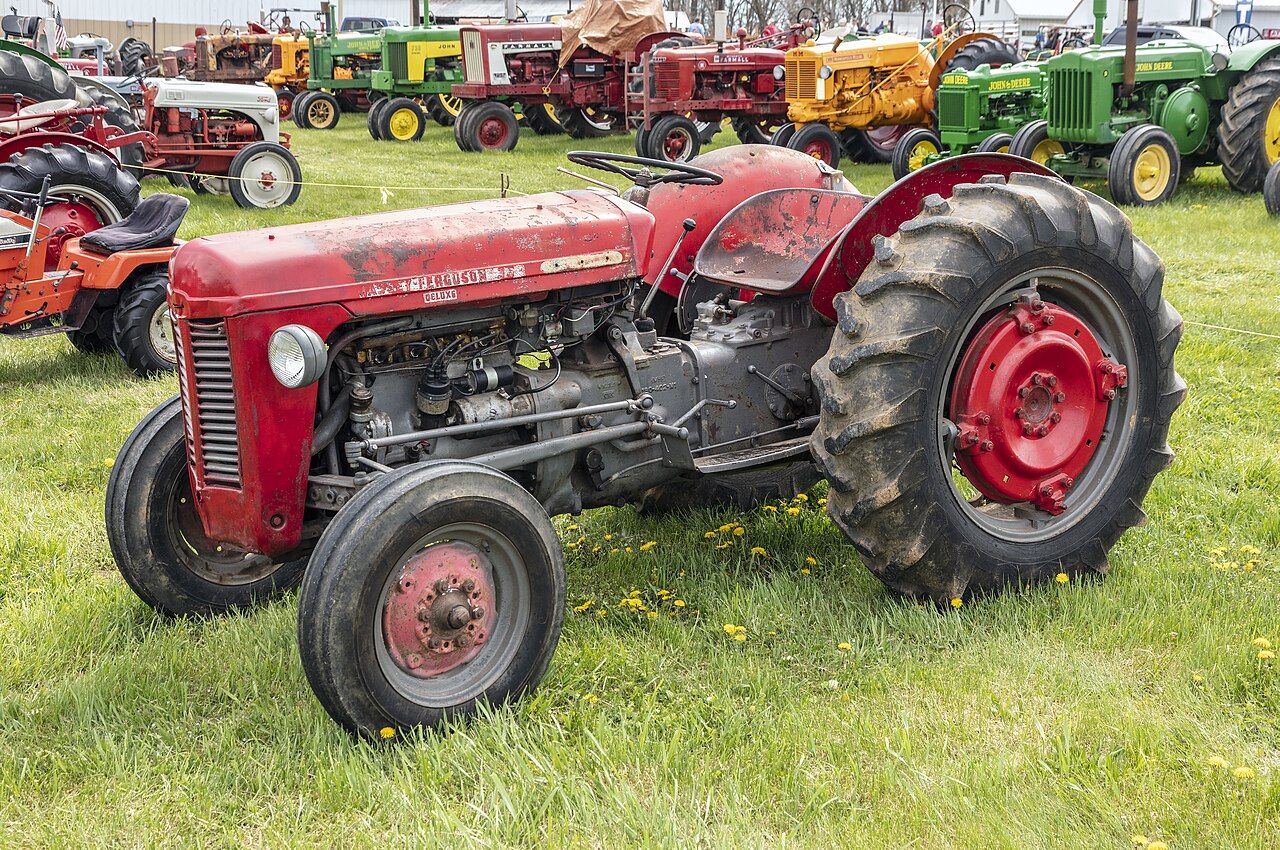
Massey-Ferguson 35 Deluxe.
Photo: Acroterion, CC BY-SA 4.0
Comfortable around machines, he enrolled in a trade school in the 1960s where he eventually discovered the world of analog electronics.
He graduated and landed a job repairing large industrial and medical equipment. Think large expensive objects that customers are definitely not happy to see standing still.
Troubleshooting complex machines all day, he ended up fixing everything at home too. I remember the scenes: him under the car, the TV cracked open with its tube exposed in the living room, the washing machine sitting drumless on the kitchen floor.
The boy
When I was around 13 years old, my father brought home a large beige box from Hewlett-Packard.
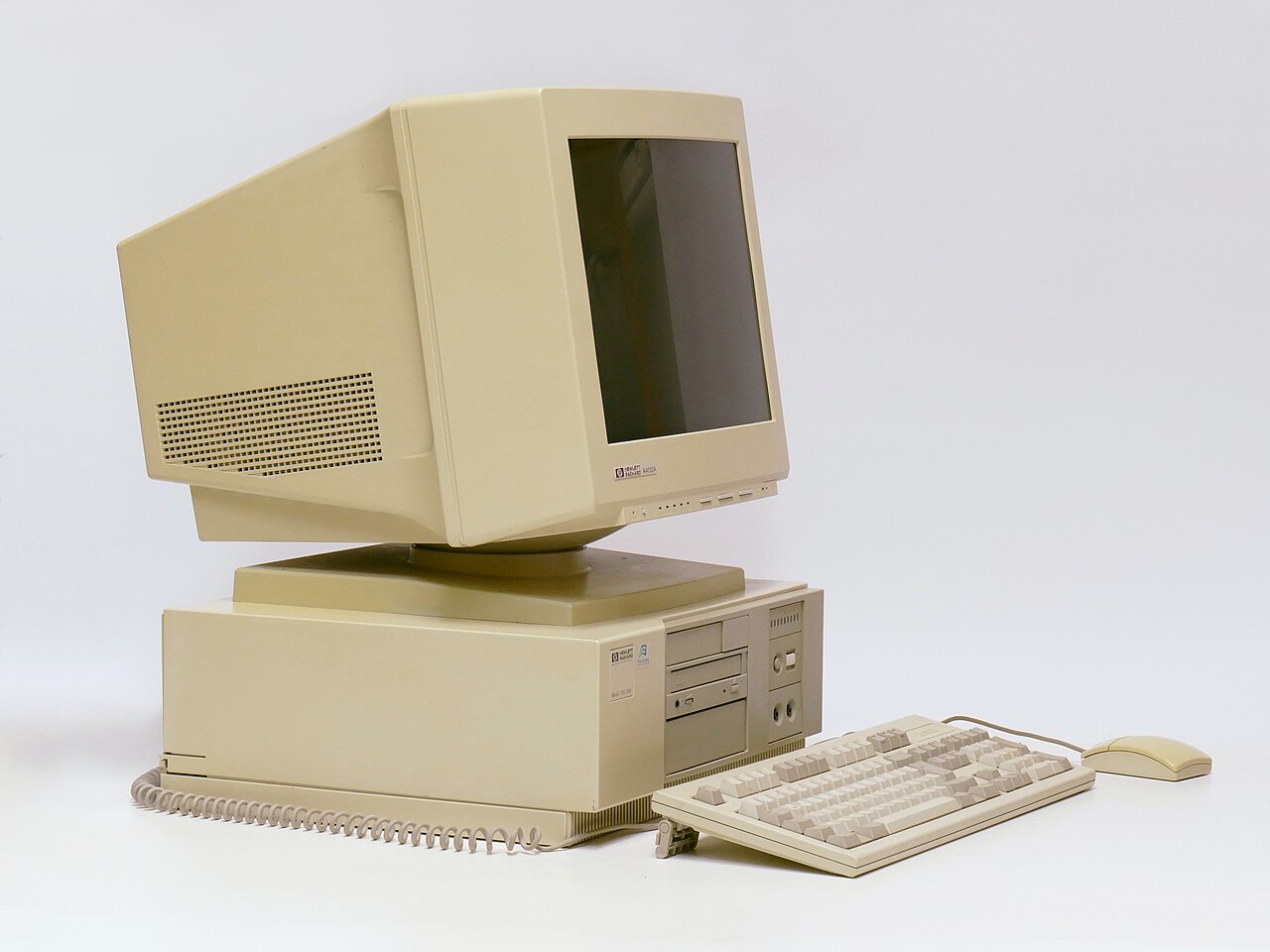
Tractor for millennials.
Photo: Thomas Schanz, CC BY-SA 4.0
That Pentium II running at 233 MHz was rather high-end for the time.
In the pre-Internet era, I used it mostly for gaming and homework thanks to educational programs like Encarta.
The first time I looked inside the box was when my father upgraded to a larger hard drive. I realized a computer was just the sum of its parts.
The family computer got bricked a few times after I messed with DLLs and the Windows registry. To get me off it, my father gave me an old computer he had salvaged from the street.
I got it to work after re-installing Windows 95 — child's play.
Computer technology was moving very fast back then. People would leave entire computers on the curb because the new ones were so much better.
My father had noticed my interest early on, so he kept bringing home abandoned desktops to keep me busy. From those, I would salvage the best parts into my Frankenstein build, swapping components and operating systems.
At some point, I had a plastic bag full of AMD Athlon CPUs that no one seemed to want.
Then the Internet arrived. I got a new computer and turned my Frankenstein build into a multimedia player.
In high school I was that guy burning CDs and fixing my friends' computers.
Gaming led to tinkering with hardware, and from there to programming.
The son
A few years back, I took my son to a technology museum.
I showed him a beige box under glass and explained how cool it was back in the day.
He was unimpressed and ran off to see the racing cars section.
I can't really blame him, the exhibit was underwhelming.
But at that very moment, I caught myself looking at it the way my father had looked at those tractors.
This was the transmission: curiosity passed from one generation to the next.
Beyond the technology itself, it was about tools you could take apart.
But what are the tractors and beige boxes for this generation?
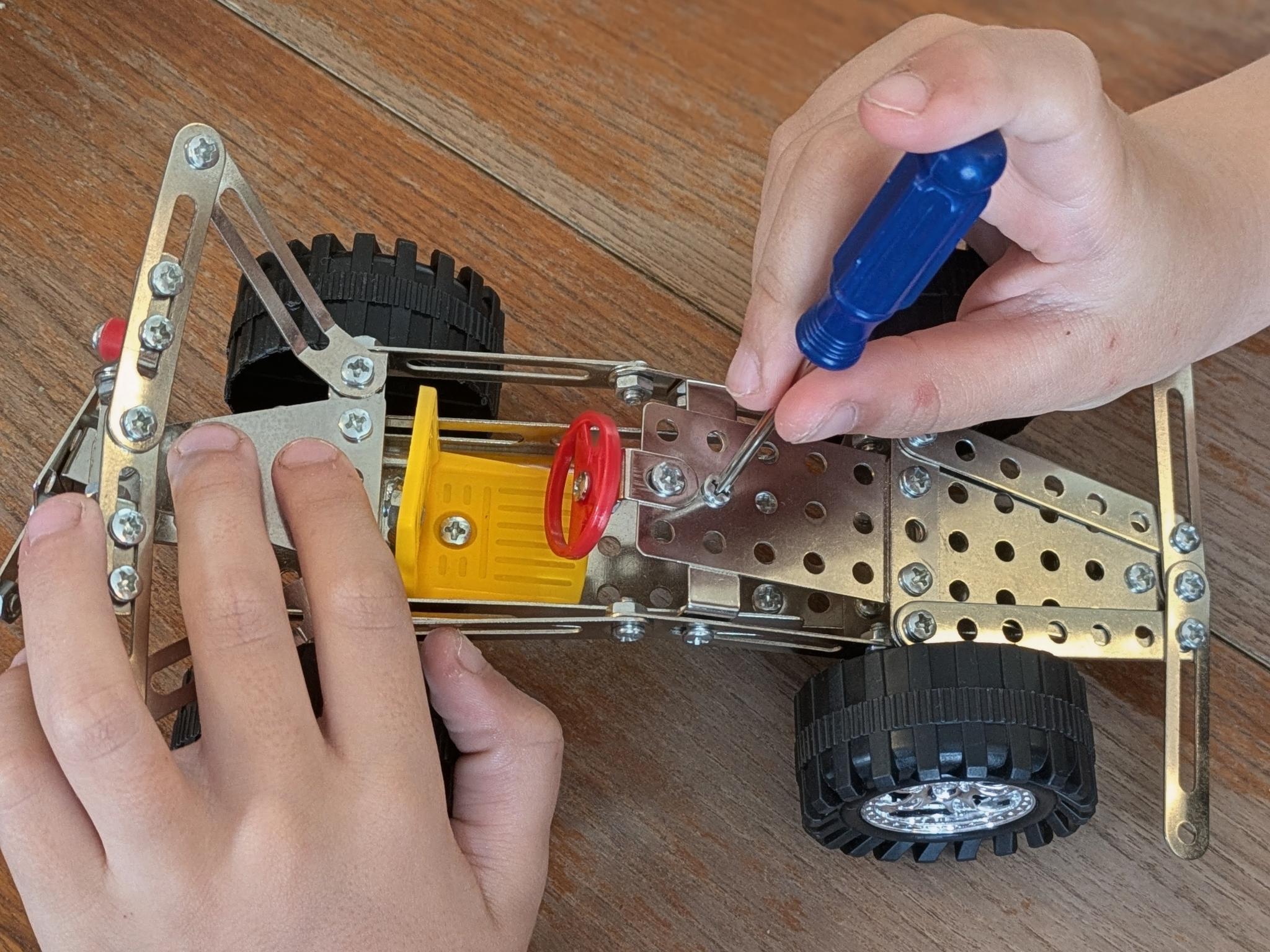
My son building.
Photo: me
My father's passion for repair was a product of his era. That attitude is mostly gone. Modern appliances aren't built to be opened, and when something breaks, you call someone or replace it.
And yet, my son binges educational shows, loves all kinds of building toys and asks unfiltered questions about how the world works.
The curiosity is there. Now I have to figure out what to bring home.